Seasonal Hair Care Routines: Guide to Healthy Hair in Lone Tree, Colorado
Living in Lone Tree means enjoying stunning views of the Rockies, quick access to trails, and that fresh mountain air. But let's be honest, the climate here can be tough on your hair. With high altitude bringing intense UV rays year-round, low humidity that rarely climbs above 30 percent, and wild swings from snowy winters to sunny summers, your strands face constant stress. One day you're bundling up against dry indoor heat, the next you're dealing with wind-whipped frizz after a hike at the Bluffs.
I've seen it firsthand with friends and clients who move here or visit often. Hair that felt manageable elsewhere suddenly turns brittle, fades faster, or loses its shine. The good news is that a simple seasonal hair care routine can make all the difference. By tweaking your habits and products a few times a year, you can keep your locks hydrated, strong, and looking great no matter what the weather throws at you. This guide breaks it down season by season, with practical tips tailored to our Colorado lifestyle. Whether you have straight, wavy, curly, or color-treated hair, these steps will help you build a routine that works.
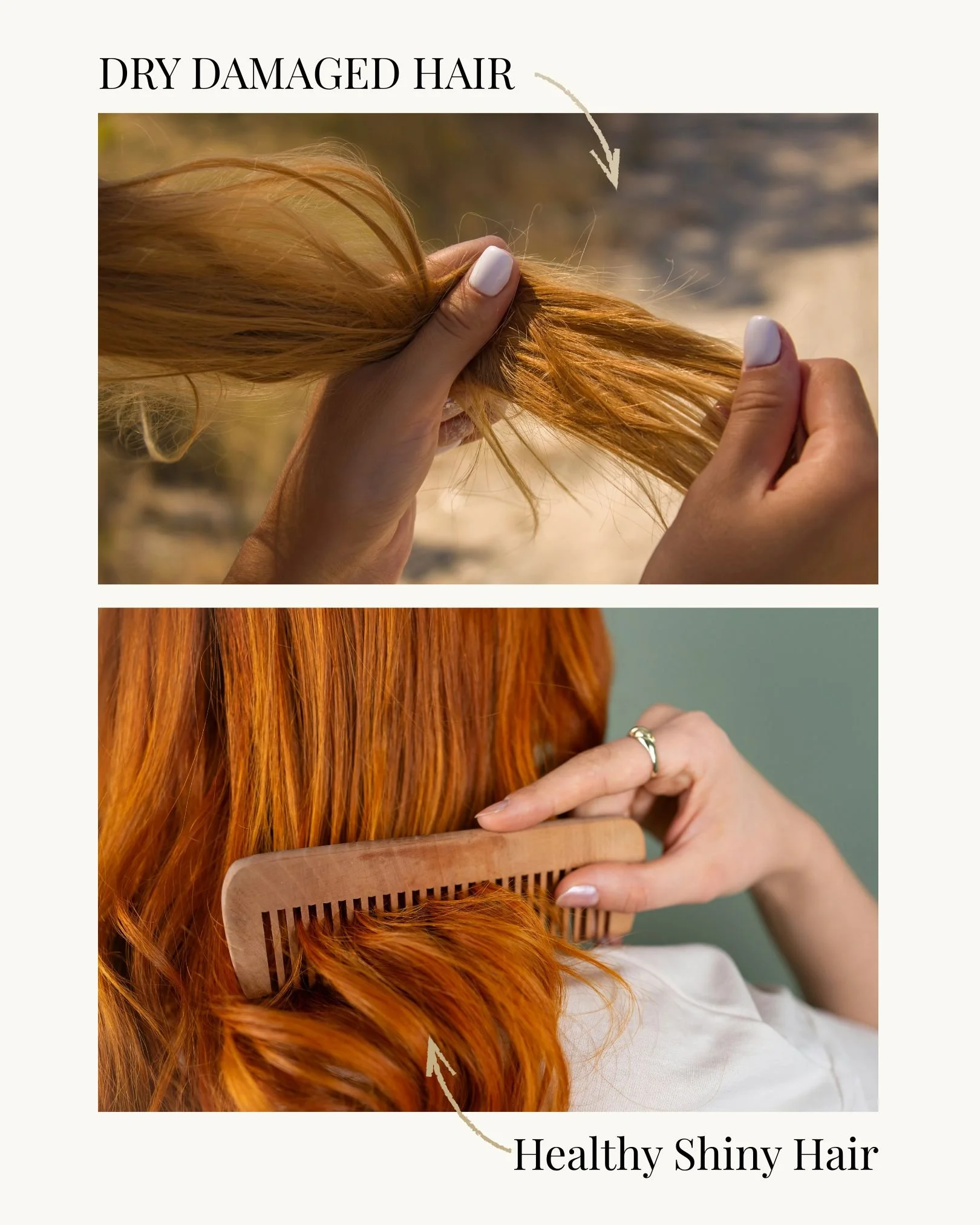
Why Colorado's Climate Demands a Seasonal Approach
At around 6,000 feet in elevation, Lone Tree experiences thinner air and stronger sun exposure. UV rays are more intense up here, breaking down proteins in your hair and causing fading or brittleness over time. Low humidity pulls moisture from your strands, making them prone to static in winter and dryness in summer. Add in hard water common in the area, which leaves mineral buildup, and temperature flips that stress the cuticle.
Science backs this up. Studies show UV exposure degrades keratin, the main protein in hair, while dry air reduces elasticity, leading to more breakage. For color-treated hair, these factors speed up fade and brassiness. A year-round, consistent routine helps, but adjusting seasonally prevents damage before it starts. Think of it as swapping snow tires for summer ones. Your hair will thank you with better texture, shine, and growth.
If you're noticing more split ends or dullness since moving to the area, exploring professional hair care services can give you a personalized boost, especially for hydration or repair tailored to local conditions.
The Science Behind Seasonal Hair Damage in Colorado
Hair thrives in balanced moisture and moderate temperatures, but our semi-arid climate rarely delivers that. In dry conditions, the hair cuticle lifts, allowing moisture to escape and pollutants to enter. High-altitude sun accelerates this, creating free radicals that weaken bonds.
Winter's low humidity and heated indoors strip oils, causing static and fragility. Spring brings pollen and wind, leading to tangles. Summer's 300-plus sunny days mean heavy UV damage, plus sweat and chlorine from pool days at Cook Creek. Fall's dropping temperatures signal the scalp to shed more, while dryness creeps back in.
Nutrition plays a role, too. At altitude, dehydration happens faster, so drinking extra water supports hair from within. Omegas from foods like salmon help maintain scalp health. Understanding these triggers lets you proactively protect your hair.
Winter Hair Care Routine: Focus on Hydration and Protection
Winter hits hard in Lone Tree, with humidity often below 20 percent and indoor heating making things worse. Hair becomes dry, static-filled, and prone to breakage from hats or scarves.
Daily and Weekly Habits
Start by washing less, every three to four days, to preserve natural oils. Use a moisturizing shampoo and always follow with a rich conditioner, focusing on mids to ends. Weekly deep conditioning is essential. Look for masks with shea butter, argan oil, or hyaluronic acid to replenish what the air takes away. Apply, cover with a shower cap, and let it sit for 20 minutes.
Fighting Static and Breakage
Combat static with silk or satin-lined hats and pillowcases. They reduce friction. A humidifier in your bedroom adds moisture to the air overnight. For styling, minimize heat tools. Air dry or use low settings with a protectant spray.
Extra Tips for Color and Protection
If you color your hair, winter fading is common due to dryness. Gloss treatments help seal in pigment. Protective styles like loose braids shield ends from wind during outdoor activities.
Many locals swear by leave-in conditioners for daily hydration. Layer a light oil on ends to lock in moisture without weighing hair down. These habits keep hair soft and manageable through the coldest months.
Spring Hair Care: Detox and Refresh for Renewal
As snow melts and days lengthen, spring in Lone Tree brings milder temps but wind and pollen. This is the perfect time to shed winter buildup and prep for growth.
Cleansing and Trimming
Begin with a gentle clarifier once a month to remove product residue and minerals from hard water. Follow with a lightweight conditioner to avoid heaviness.
Trim ends to remove any winter damage. This encourages healthier growth as humidity starts to rise slightly. Switch to volumizing products if your hair feels flat from heavier winter creams.
Scalp and Styling Focus
Scalp care matters here. A gentle exfoliating scrub removes dead skin and promotes circulation. For allergies, soothing ingredients like tea tree can calm irritation.
Incorporate protein treatments if hair feels weak. They strengthen without overloading. As flowers bloom, embrace softer styles with waves or loose ponytails that move with the breeze.
Summer Hair Care Routine: UV Defense and Lightweight Hydration
Summer shines bright in Colorado, with intense sun and dry heat. UV rays are stronger at altitude, causing color fade, dryness, and brittleness. Outdoor fun adds sweat, chlorine, and dust.
Protection Strategies
Protect first. Use leave-in products with UV filters daily. Wide-brim hats or scarves work great for hikes or patio time at Park Meadows.
Rinse hair after swimming to wash away chemicals. A quick fresh-water shower prevents buildup. Opt for lightweight moisture. Gel-based serums or aloe keep hair hydrated without grease in the heat.
Styling and Color Care
Reduce heat styling. Embrace air-dried textures or heat-free curls. For color-treated hair, antioxidants like vitamin C in products fight fade.
Frizz can spike on humid days, rare but possible. Smoothing creams help. Stay hydrated inside, too. Extra water combats altitude effects.
Many find the best hair care treatments shine here, like bond-building or glossing to repair sun stress and add shine.
Fall Hair Care: Repair and Strengthen for the Shift
Fall brings cooler air and gorgeous leaves, but also increased shedding and returning dryness. Time to repair summer damage and fortify for winter.
Repair and Conditioning
Focus on protein-rich masks to rebuild strength. Alternate with moisture ones for balance. Richer conditioners prep for lower humidity.
Get a trim to snip sun-damaged ends. This reduces breakage as hats come back. Scalp massages with oils boost circulation and reduce fall shedding.
Color and Nutrition
Warm tones trend this season, like cinnamon or chocolate, complementing autumn vibes. If coloring, protective formulas minimize stress.
Gentle brushing with wide-tooth combs detangles without pulling. Nutrition boosts too. Foods high in biotin and iron support thickness.
Year-Round Essentials for Healthy Hair in Lone Tree
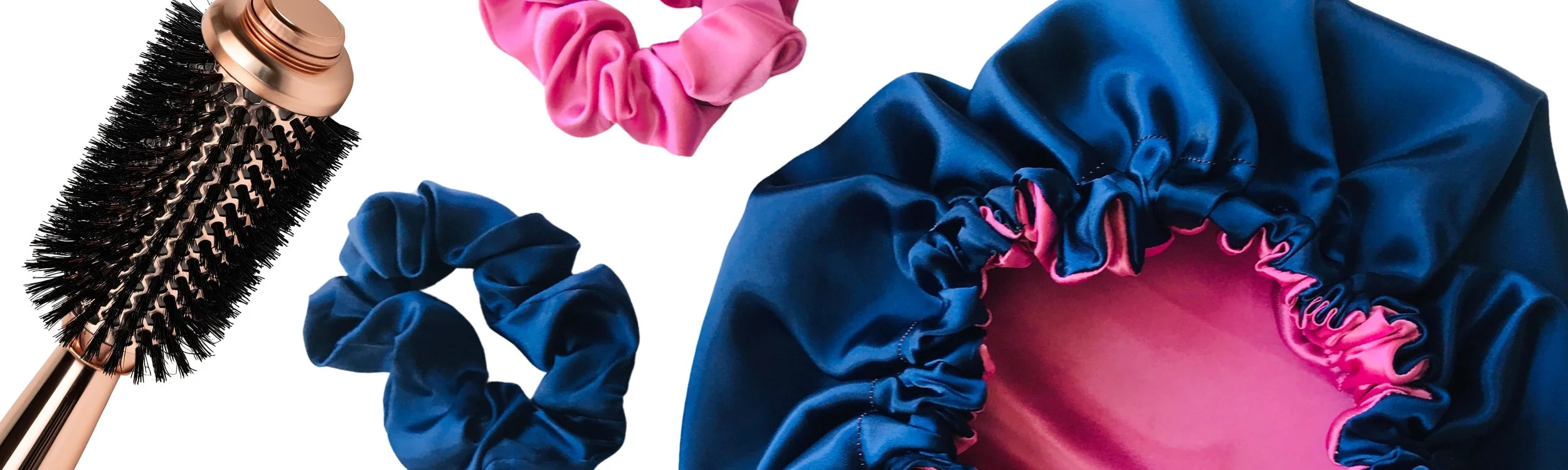
Some habits stay constant. Always use heat protectant when styling. Silk accessories reduce friction year-round. Drink plenty of water, especially at altitude.
Regular trims, every eight to twelve weeks, keep the ends healthy. A balanced diet rich in proteins, vitamins, and omega-3 fatty acids fuels growth.
For damaged or color-treated hair, bond-repair products maintain integrity across seasons.
Quick-Reference Seasonal Checklists
Winter Checklist
Deep condition weekly
Use humidifier
Silk pillowcase and hats
Leave-in oil on ends
Minimize washes
Spring Checklist
Clarify monthly
Trim split ends
Lightweight products
Scalp exfoliation
Protein boost
Summer Checklist
UV-protectant spray
Post-swim rinse
Hats for outdoors
Lightweight serums
Reduce heat tools
Fall Checklist
Protein masks
Rich conditioners
Scalp massage
Trim damage
Antioxidant products
Conclusion
Building a seasonal routine tailored to Lone Tree's unique climate keeps your hair resilient and beautiful. From shielding against winter dryness to defending summer sun, these adjustments make a noticeable difference. Ready for personalized advice or a refresh? The team at The Glam House understands local challenges and can help you shine year-round.
Frequently Asked Questions
-
Elevation intensifies UV exposure and lowers humidity, leading to faster moisture loss and potential brittleness. Counter it with consistent hydration, UV protection, and drinking more water to support overall hair health.
-
Use sulfate-free shampoos, apply glosses for shine, and incorporate UV filters in summer. In winter, deep moisture prevents fade from dryness. Regular professional touch-ups help maintain vibrancy.
-
Yes, strengthening treatments, scalp care, and a nutrient-rich diet minimize excess shedding triggered by temperature changes. Gentle handling and reduced heat also help keep strands intact.