The 2026 Guide to Safe Hair Straightening Treatments
Original Published Date: Jun 17, 2023
major update date: Jul 17, 2026
We all know the struggle, the constant battle against humidity, the morning hours lost to flat irons, and the frustration of your sleek style reverting the second you step outside. Hair straightening treatments promise an end to the frizz, but the landscape of salon treatments has shifted dramatically over the last few years.
With increased regulatory pressure regarding toxic ingredients in salon products, the conversation in 2026 isn't just about what gets your hair the straightest—it's about what keeps it the healthiest. The days of suffering through burning eyes for a sleek blowout are ending, replaced by advanced amino-acid and nanotechnology treatments.
Whether you're looking for a temporary sleek look for the weekend or a permanent structural change, booking a consultation at the best hair salon is your first step. Here is the comprehensive, stylist-approved breakdown of modern hair straightening methods.
Not sure where to start? Use our interactive Hair Treatment Matchmaker below to find the safest, most effective method for your unique hair type and lifestyle before diving into our comprehensive breakdown.

When it comes to altering your hair's texture, safety and hair integrity must come first. According to Alexandria Grado, Founder, and the expert styling team at The Glam House, modern hair care requires a holistic approach.
Regulatory Warnings: The Move Away From Toxic Chemicals
This shift toward healthier alternatives isn't just a salon trend—it is backed by strict federal guidance. TheFDA has explicitly warned consumers about hair-smoothing products that release formaldehyde, classifying the gas as a human carcinogen.
The administration has linked prolonged exposure during traditional hair straightening treatments to respiratory issues, severe skin irritation, and allergic dermatitis. Because of these recognized health risks, knowing exactly what chemical compounds are in your treatment is more important than ever.
Temporary Straightening Methods
These methods use tension and heat rather than chemical changes. Your hair's natural disulfide bonds remain intact, meaning your hair will return to its natural texture the moment it gets wet. For temporary styles that require high heat, visiting the best hair styling salon is crucial to avoid permanent heat damage.
1. The Silk Press
A silk press is a modernized, highly technical flat-ironing process designed specifically for textured, curly, and coily hair. It involves deep cleansing, intense hydration, a tension blow-dry, and meticulous flat-ironing.
Best for: Natural, textured, and coily hair types who want a temporary straight look without chemical relaxers.
The Pros: Zero chemical alteration of your curl pattern. Leaves hair incredibly shiny, bouncy, and soft.
The Cons: Susceptible to humidity. Frequent silk presses without proper heat protection can lead to permanent heat damage and curl loss.
How long it lasts: 1 to 2 weeks (or until your next wash).
2. The Professional Blowout
Using a blow dryer and a round brush, stylists use tension and heat to stretch the hair smooth while adding volume at the root and a soft bend at the ends.
Best for: Wavy to moderately curly hair looking for volume and bounce.
The Pros: Less direct heat contact than a flat iron; adds movement and body.
The Cons: Doesn't provide a "pin-straight" look; easily undone by sweat or rain.
How long it lasts: 2 to 5 days.
Semi-Permanent Smoothing & Straightening
This category is where the beauty industry has seen the most innovation. These treatments don't permanently break the hair's bonds; instead, they coat or infuse the hair shaft to smooth the cuticle, eliminate frizz, and dramatically reduce daily styling time.
3. Nanoplastia (The Modern Standard)
Nanoplastia (or Nanoplasty) has rapidly overtaken traditional keratin as the premium salon choice. It uses a blend of organic acids, amino acids, and nanotechnology to penetrate deep into the hair fibers rather than just coating the surface.
Best for: Almost all hair types, including color-treated hair and those looking for a formaldehyde-free option.
The Pros: Completely free of formaldehyde and harsh chemicals. It straightens up to 90% while actually repairing the hair from the inside out. You can wash your hair immediately after treatment.
The Cons: The salon process is lengthy (often 3-4 hours) and it tends to be more expensive than standard keratin.
How long it lasts: 5 to 6 months—significantly longer than traditional keratin.
4. Traditional Keratin Treatments
Keratin treatments infuse the hair with the protein that naturally makes up your hair, nails, and skin. The solution is applied, blow-dried, and flat-ironed into the hair to seal the cuticle.
Best for: Frizzy, wavy hair that needs smoothing rather than aggressive straightening.
The Pros: Excellent frizz control and cuts blow-dry time in half.
The Cons:Safety concerns. Many traditional keratin formulas rely on formaldehyde (or formaldehyde-releasing chemicals like methylene glycol) to bond the protein to the hair. You must also usually wait 72 hours before washing or tying up your hair.
How long it lasts: 2 to 4 months.
5. Brazilian Blowout
Similar in concept to a keratin treatment, but highly customizable. A stylist can adjust the heat and technique to keep your natural curl while removing frizz, or go for a sleeker finish.
Best for: People who want to keep some of their natural wave but eliminate frizz entirely.
The Pros: Customizable results; no 72-hour waiting period to wash your hair.
The Cons: Like traditional keratin, the original formulas contain formaldehyde, requiring strict salon ventilation.
Permanent Straightening Methods
Permanent methods use strong chemicals to fundamentally break the disulfide bonds in your hair and reshape them. The treated hair will never revert to its curly state—you must grow it out and cut it off.
6. Japanese Thermal Straightening (Thermal Reconditioning)
This intensive process involves applying a chemical solution (often ammonium thioglycolate) to break the hair's bonds, meticulously flat ironing the hair pin-straight, and then applying a neutralizer to lock the bonds into their new, straight shape.
Best for: People with loose to medium curls who want hair that dries perfectly straight with zero effort. Ideally, virgin (uncolored) hair.
The Pros: The results are truly permanent. You can wake up, wash your hair, and air-dry it pin-straight.
The Cons: It is highly damaging if done incorrectly. It cannot hold a curl even if you try to use a curling iron later. The grow-out phase features a harsh line of demarcation between your straight ends and curly roots.
How long it lasts: Permanent on treated hair; touch-ups required on new growth every 6-8 months.
7. Chemical Relaxers
Relaxers use strong alkaline chemicals (like sodium hydroxide or calcium hydroxide) to permanently break the natural curl pattern.
Best for: Very coily, textured hair.
The Pros: Permanently removes all texture and volume, resulting in a completely straight base.
The Cons: Chemical relaxers carry significant health and damage risks. The FDA has published extensive data regarding the long-term health risks associated with frequent chemical relaxer use. Furthermore, overlapping relaxer onto already-treated hair causes severe breakage.
At-A-Glance Treatment Comparator
Use this easy-to-read breakdown to quickly compare your options before heading to the salon.
| Treatment | Duration | Chemical Level | Best For | Key Takeaway |
|---|---|---|---|---|
| Silk Press | 1 to 2 weeks | None (Heat only) | Textured and coily hair | Silky finish with zero chemicals, but reverts quickly in high humidity. |
| Blowout | 2 to 5 days | None (Heat only) | Wavy to moderately curly | Adds volume and smooths hair, but easily undone by moisture. |
| Nanoplastia | 5 to 6 months | Low (Amino acids) | Most types; color-treated | Formaldehyde-free and repairs the hair shaft, but expensive. |
| Keratin | 2 to 4 months | High (Formaldehyde risk) | Frizzy and wavy hair | Excellent frizz control, but carries fume risks and a 72-hour wash delay. |
| Brazilian Blowout | 3 to 4 months | High (Formaldehyde risk) | Keeping wave, losing frizz | Highly customizable with no wash wait, but uses harsh chemicals. |
| Japanese Thermal | Permanent | High (Ammonium thioglycolate) | Healthy, virgin hair | Air-dries perfectly straight forever, but damaging with a harsh grow-out. |
| Relaxer | Permanent | High (Alkaline chemicals) | Very coily, textured hair | Permanently removes all texture, but carries severe breakage risks. |
Aftercare: Protecting Your Investment
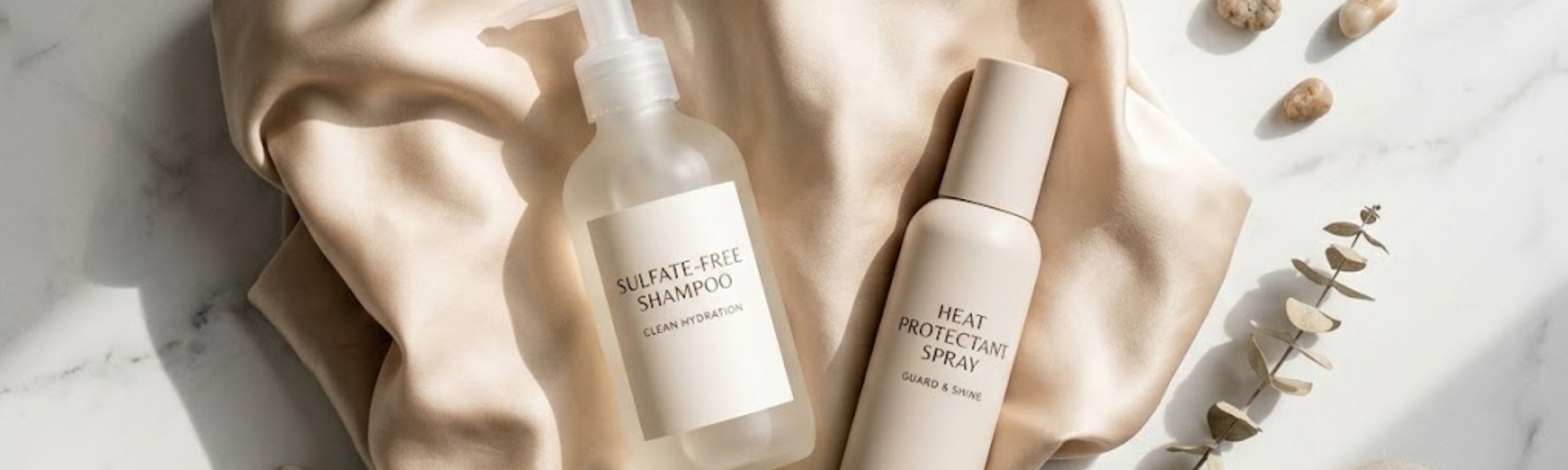
Whether you spent $100 on a silk press or $400 on Nanoplastia, how you treat your hair at home dictates how long the results last.
Ditch the Sulfates: Sulfates (like SLS) are harsh detergents that strip the hair of natural oils and rapidly wash out semi-permanent treatments like keratin. Always use a sulfate-free shampoo.
Strategic Washing: Water is the enemy of temporary styles, and over-washing strips semi-permanent treatments. Aim to wash 1-2 times a week. Use a dry shampoo focused only on the roots to stretch the time between washes.
Sleep on Silk: Cotton pillowcases create friction, causing micro-tears in the hair cuticle and drawing out moisture. A silk or satin pillowcase allows the hair to glide, preserving your straight style and preventing breakage.
Heat Protection is Non-Negotiable: Even if your hair is chemically straightened, using heat tools without a thermal protectant will fry the cuticle, leading to split ends that make the hair look frizzy regardless of the treatment.

FREQUENTLY ASKED QUESTIONS
-
Yes, but you must choose the right method. Amino-acid treatments like Nanoplastia and formaldehyde-free smoothing treatments are generally safe and can even help seal in color. However, permanent methods like Japanese thermal straightening or chemical relaxers applied over bleached hair can cause catastrophic chemical haircuts (severe breakage). Always disclose your full color history to your stylist.
-
Hair straightening treatments do not typically cause hair loss from the root unless harsh chemicals severely burn the scalp. However, improper use of relaxers or excessive heat styling can cause severe breakage along the hair shaft, which dramatically thins the appearance of your hair.
-
If you receive a traditional keratin treatment, the golden rule is a strict 72-hour waiting period. During this time, you cannot wash it, sweat heavily, or use hair ties, clips, or sunglasses on your head, as they will leave permanent dents in the curing protein. However, if you opt for modern treatments like Nanoplastia or a Brazilian Blowout, there is no downtime—you can wash and tie your hair the same day.
READ MORE…