Low Maintenance Hair Color in Lone Tree
Juggling a thriving career and the active Colorado lifestyle leaves little time for monthly salon visits. But scaling back your touch-ups shouldn't mean sacrificing dimensional, expensive-looking hair.
For women in Lone Tree, CO, effortless versatility is everything. By trading harsh, to-the-root highlights for strategic, lived-in blending, you can seamlessly transition from a downtown boardroom to a weekend hike with hair that looks flawless for months.
Here is your ultimate guide to the exact salon techniques that guarantee a seamless grow-out, complete with 15 stunning, low-maintenance hair color ideas for your next transformation.
What Actually Makes a Hair Color "Low Maintenance"?
There is a common misconception that low maintenance means flat, boring, or simply sticking to your natural hair color. In reality, some of the most striking, dimensional, and bright hair colors are incredibly low maintenance when executed with the right technique.
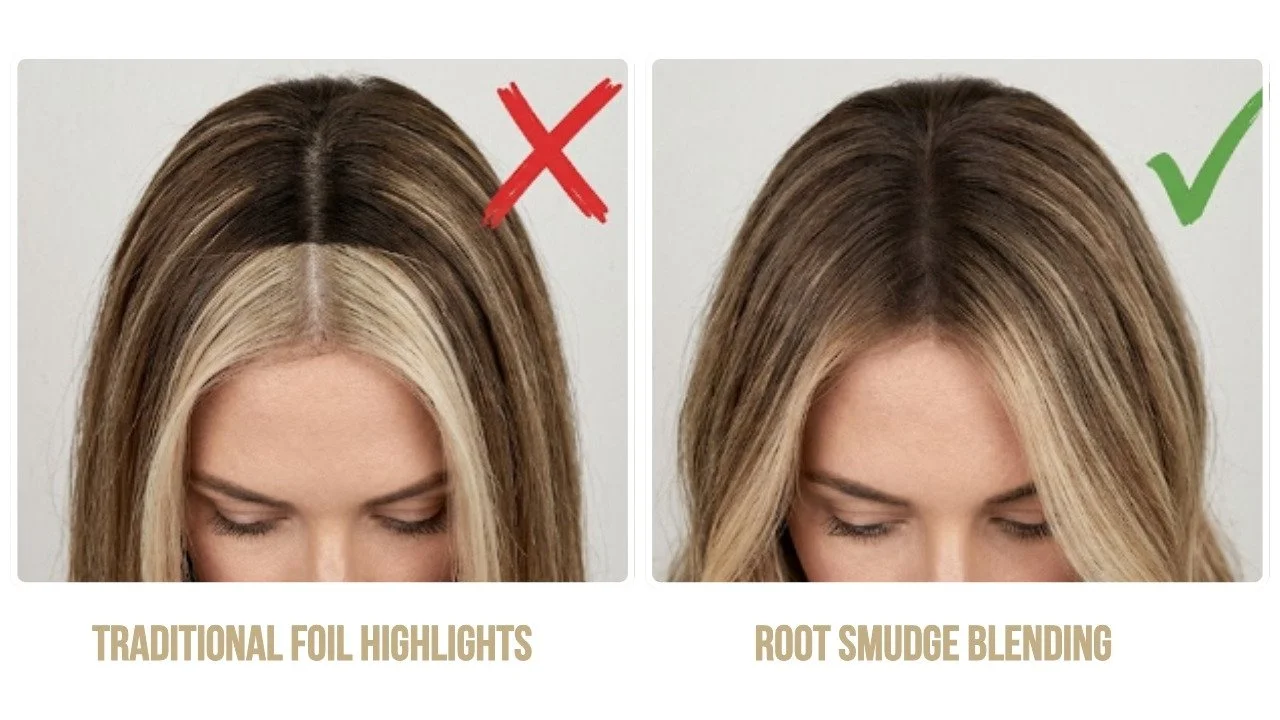
The defining factor of a low-maintenance color is the deliberate elimination of the "line of demarcation." The line of demarcation is that harsh, horizontal stripe that appears at your roots when traditional highlights or all-over permanent color begins to grow out.
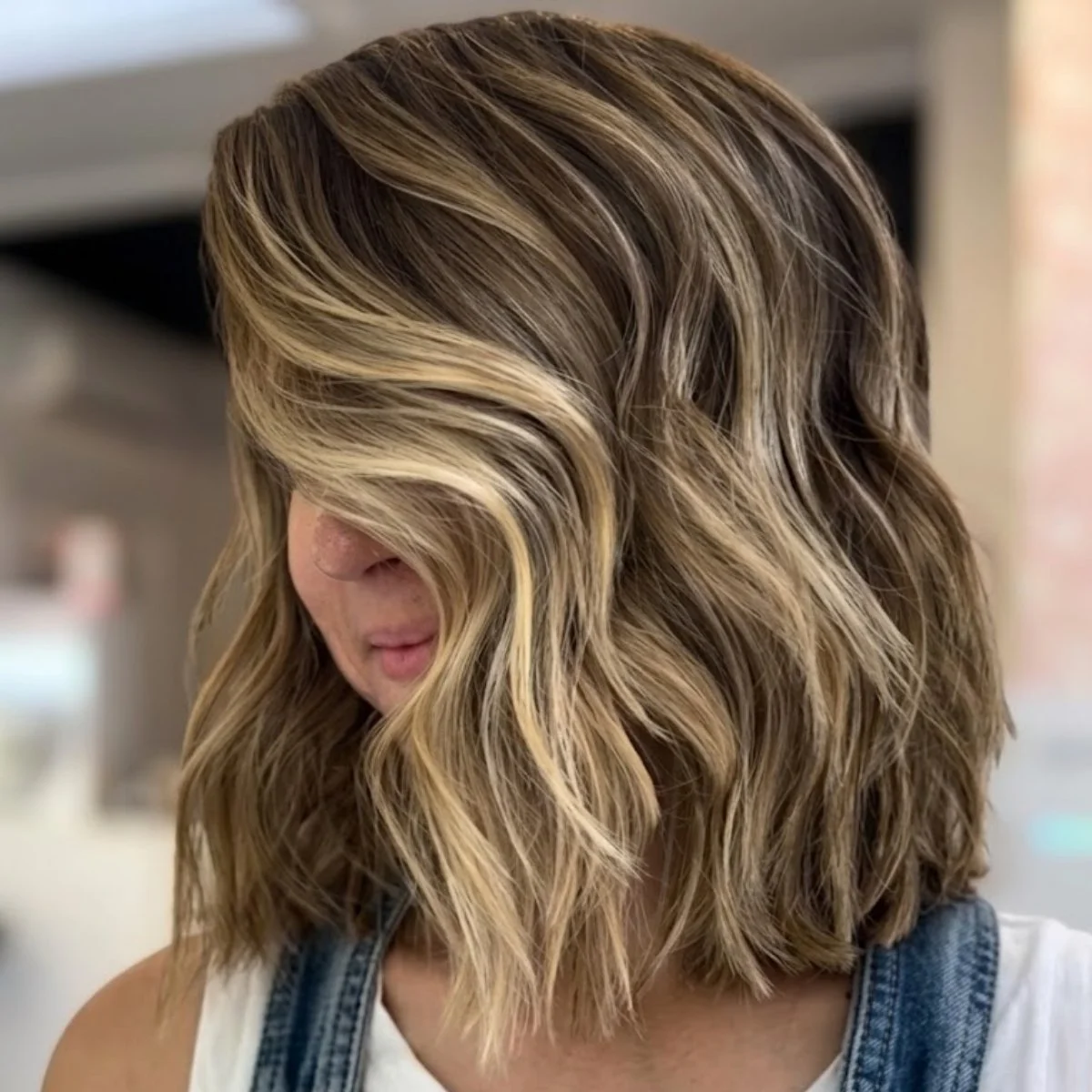
Lived-in color techniques intentionally blur this line. By keeping the hair closest to the scalp closely matched to your natural root color, and gradually transitioning to lighter or darker tones through the mid-lengths and ends, the color grows down beautifully. Instead of looking like you missed a salon appointment, your hair simply looks like it is evolving into an intentional, beautifully blended ombre or balayage. This strategic approach allows you to extend the time between your major salon visits from the standard four to six weeks, to anywhere from three to six months.
The Expert Techniques Behind a Seamless Grow-Out
Achieving a gorgeous, low-maintenance look requires high-level technical skill. It is not just about the color you choose, but exactly how that color is applied to the hair shaft. Here are the premier techniques our stylists use to ensure your color lasts.
Balayage & Foilayage
Balayage is a French word meaning "to sweep" or "to paint." In this technique, a stylist hand-paints lightener onto the surface of the hair in a sweeping motion, focusing on the mid-lengths and ends while leaving natural dimension at the root. Because the lightener is not applied uniformly or directly to the scalp, it grows out incredibly softly.
Foilayage takes this a step further. It utilizes the same hand-painted, sweeping technique as balayage but wraps the painted sections in foils. This traps the heat, allowing the hair to lift higher and brighter. It is the perfect technique for dark-haired women who want bright pops of color without the high maintenance of traditional to-the-root foils.
The Root Smudge (or Color Melt)
This is arguably the most important technique in modern hair coloring and the true secret to seamless longevity. After your hair has been highlighted or lightened, your stylist applies a demi-permanent color—custom-mixed to perfectly match your natural base—directly over the freshly lightened roots.
The color is then "smudged" or "melted" down a few inches into the lighter pieces. This erases any harsh foil lines and creates a built-in shadow root. As your natural hair grows in, it perfectly matches the smudged root, making the transition completely invisible.
Baby Lights and Teasy Lights
Baby lights are micro-fine, delicate highlights that mimic the natural, sun-kissed dimension you see in a child's hair. Because the weaves of hair are so tiny, they blend flawlessly into your natural base without leaving chunky stripes.
Teasy lights involve taking a section of hair and teasing it at the root before applying lightener in a foil. When the tease is combed out at the shampoo bowl, the lightened pieces are naturally diffused, creating a soft, blurred effect at the root that guarantees a seamless grow-out.
15 Low Maintenance Hair Color Ideas for Women
If you are gathering low maintenance hair color ideas for your next appointment, it is vital to choose a shade profile that complements your natural root. Here are 15 top trending shades that deliver maximum impact with minimal upkeep.
The Lived-In Low Maintenance Blonde Hair Color
You do not have to give up being a blonde just because you want a low-maintenance routine. The key to a low maintenance blonde hair color is incorporating depth.
1. The "Bronde" Blend: The ultimate sweet spot. By keeping a rich brunette base and painting thick, beige blonde ribbons through the ends and around the face, you get the brightness of a blonde with the effortless upkeep of a brunette.
2. Honey & Gold Ribbons: Icy, platinum blondes are high maintenance because they require constant toning. Warmer tones like honey, caramel, and gold naturally reflect more light, look healthier, and fade beautifully over time.
3. The Money Piece with a Deep Root: If you want to feel incredibly blonde but only visit the salon a few times a year, ask for a bright face-framing "money piece" combined with a deep root smudge and balayaged ends.
4. Sun-Kissed Babylights (Wheat Blonde): Ideal for natural dark blondes or light brunettes, micro-fine wheat-toned babylights simulate the way the sun naturally lightens hair during the summer.
5. Lived-in Ash Blonde: For those who prefer cool tones, an ash blonde balayage with a heavy, cool-brown root shadow allows you to enjoy an icy aesthetic without the monthly bleach touch-ups.
Dimensional, Expensive Brunette
Brunettes are dominating hair trends with a focus on rich, reflective, "expensive-looking" hair that grows out flawlessly.
6. Mushroom Brown: An ashy, cool-toned brunette that incorporates soft, earthy beige undertones. It is incredibly chic and requires almost zero maintenance if your natural hair is a medium to dark brown.
7. Espresso with Caramel Balayage: Adding subtle, warm caramel balayage to an espresso or dark chocolate base adds movement and prevents dark hair from looking flat or boxy.
8. Tone-on-Tone Glossing: Adding lowlights and glosses that are only one or two shades lighter or darker than your natural hair creates a thick, dimensional, multi-tonal look that grows out entirely invisibly.
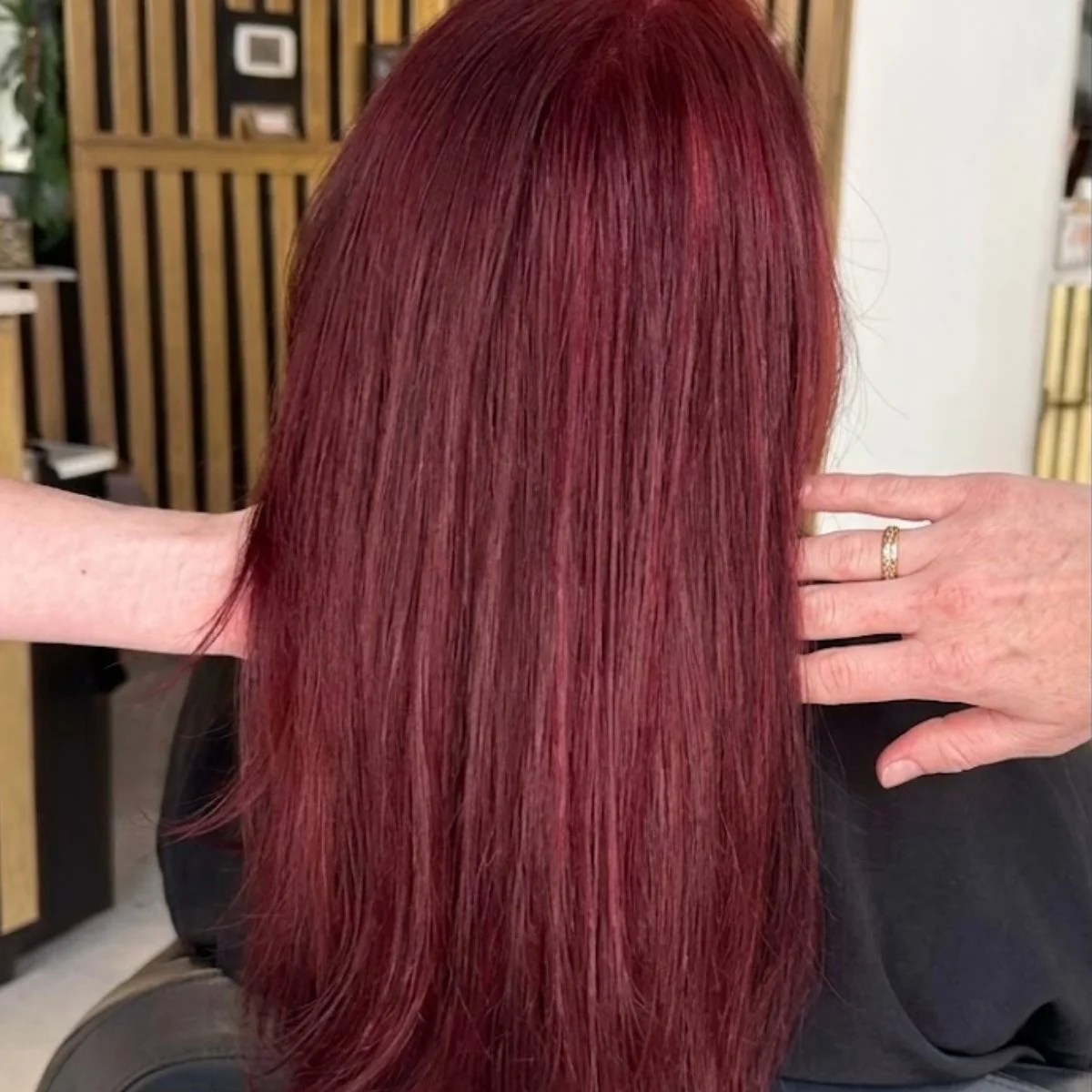
9. Chocolate Cherry / Subtle Cola: A deep brunette base infused with subtle, dark red or violet undertones. Because the overall depth matches your natural root, the red reflects beautifully in the light without demanding constant root touch-ups.
10. Chestnut Sombre (Soft Ombre): A very gradual shift from dark brown roots to warm chestnut ends. It looks incredibly natural and intentionally sun-faded.
Effortless Reds, Coppers, and Alternatives
Red is historically the highest-maintenance hair color because the color molecules are large and wash out quickly. However, modern techniques have changed the game.
11. Cowboy Copper Root Melt: By utilizing a root melt that keeps your natural dark root intact and fading into a rich, leather-toned copper through the mid-lengths and ends, you avoid the dreaded "pink root" fade-out.
12. Auburn Dimension: A deep, rich, reddish-brown that utilizes your natural brunette root as the anchor, adding warmth only where the sun would naturally hit.
13. Strawberry Bronde: A blend of strawberry blonde and light brown. Keeping the roots neutral brown and focusing the strawberry tones on the mid-lengths creates a beautiful, low-maintenance pastel effect.
14. Peachy Rose Gold (with dark roots): Rose gold is notorious for fading fast. However, by asking for a rose gold balayage with your natural root left completely untouched, the color simply fades into a beautiful warm blonde over time.
15. Smoky Gray Blending: Instead of fighting gray hair with solid permanent color, stylists use baby lights and cool-toned highlights to mimic the pattern of your grays, blending the silver seamlessly into the hair.
Can You Use Low Maintenance Hair Dye at Home?
When searching for ways to stretch salon visits, many clients wonder if there is a low maintenance hair dye they can use at home. We must be incredibly candid: attempting to execute lived-in, dimensional color with boxed dye at home is a recipe for disaster. Box dyes use aggressive, unpredictable developers that lift your natural base, resulting in "hot roots" (orange or brassy roots) and a harsh line of demarcation—the exact opposite of low maintenance.
However, there are at-home products you can use to maintain your color. Instead of permanent dye, opt for professional color-depositing glosses or tinted hair masks. These semi-permanent treatments deposit a sheer veil of color over your hair to neutralize brassiness (purple masks for blondes, blue/green for brunettes) and restore high-gloss shine without altering your natural root color.
4 Ways to Stretch Your Color Appointments to 6 Months
To truly maximize your investment and keep your hair looking fresh for months, your at-home care routine must support your salon color.
1. Invest in Sulfate-Free, Professional Shampoos: Sulfates are harsh detergents that strip the hair cuticle, pulling your expensive toner and gloss right down the drain. Switch to a color-safe, hydrating wash routine to lock the pigment inside the hair shaft.
2. Book a Mid-Way "Gloss and Tone": You do not need a full highlighting service every time your hair feels dull. Booking a 45-minute "Gloss, Tone, and Trim" midway through your grow-out phase will neutralize brass, re-seal the cuticle, and make your color look brand new for a fraction of the cost.
3. Use Thermal Protection: Colorado's dry heat combined with 400-degree curling irons will literally bake the color right out of your hair. Heat fading is one of the top reasons balayage turns brassy. Always use a premium heat protectant spray before styling.
4. Install a Shower Filter: The hard water in Lone Tree and the Denver metro area is full of calcium and magnesium. These minerals attach to your hair, making blondes look yellow and brunettes look muddy. A simple showerhead filter will drastically increase the lifespan of your color.
Finding Your Go-To Hair Color Salon Near Me
Executing a flawless root smudge or a hand-painted balayage requires hours of advanced education and an intricate understanding of color theory. It is not a service you should leave to chance.
When searching for a hair color salon near me in the Lone Tree area, it is crucial to seek out a salon that specializes in modern, lived-in techniques. You want to look for stylists who take the time to conduct thorough consultations, assess the health of your hair, and formulate a color plan that aligns with both your aesthetic goals and your realistic maintenance schedule.
Book Your Custom Color Consultation in Lone Tree, CO
You deserve hair that empowers you, elevates your daily look, and fits seamlessly into your busy lifestyle. It is time to stop fighting your roots and start embracing strategic, seamless color that works with your natural beauty.
Ready to make a change and experience the freedom of lived-in hair? Our hair color experts at The Glam House are highly trained in the industry's most advanced blending and hand-painting techniques. Book your custom color consultation at our Lone Tree location today, and let us design a breathtaking, effortless look tailored specifically for you.
Frequently Asked Questions
-
Because balayage does not start directly at the root, you can typically go 3 to 6 months between major lightening appointments. We recommend coming in every 6 to 8 weeks for a quick gloss and toner to keep the color bright and fresh.
-
Traditional gray coverage (dyeing every single gray hair) is inherently high maintenance because it requires a solid root touch-up every 3 to 4 weeks. However, we can use a low-maintenance technique called gray blending. By using baby lights and cool-toned highlights to mimic the pattern of your grays, we can blend the silver into the blonde, making the grow-out much less noticeable.
-
If you have naturally dark brown or black hair, the most effortless color is a deep, tone-on-tone dimensional brunette. Ask your stylist for a rich root melt combined with soft, mushroom brown or mocha teasy-lights focused around the face and ends.
Read More