Partial Balayage vs Full Balayage: Denver Salons That Nail the Perfect Look
Balayage has become one of the most sought-after hair coloring techniques, offering a natural, sun-kissed look that enhances dimension and style. But if you’re exploring balayage options, you might be wondering: should you go for partial balayage or full balayage? The choice isn’t just about aesthetics, it also affects maintenance, cost, and how your hair grows out.
For anyone searching for a balayage hair salon near me in Denver, this guide will help you understand the differences between partial and full balayage, what each technique offers, and how to choose the look that complements your hair type and lifestyle.
Understanding Balayage: The Hair Highlighting Technique
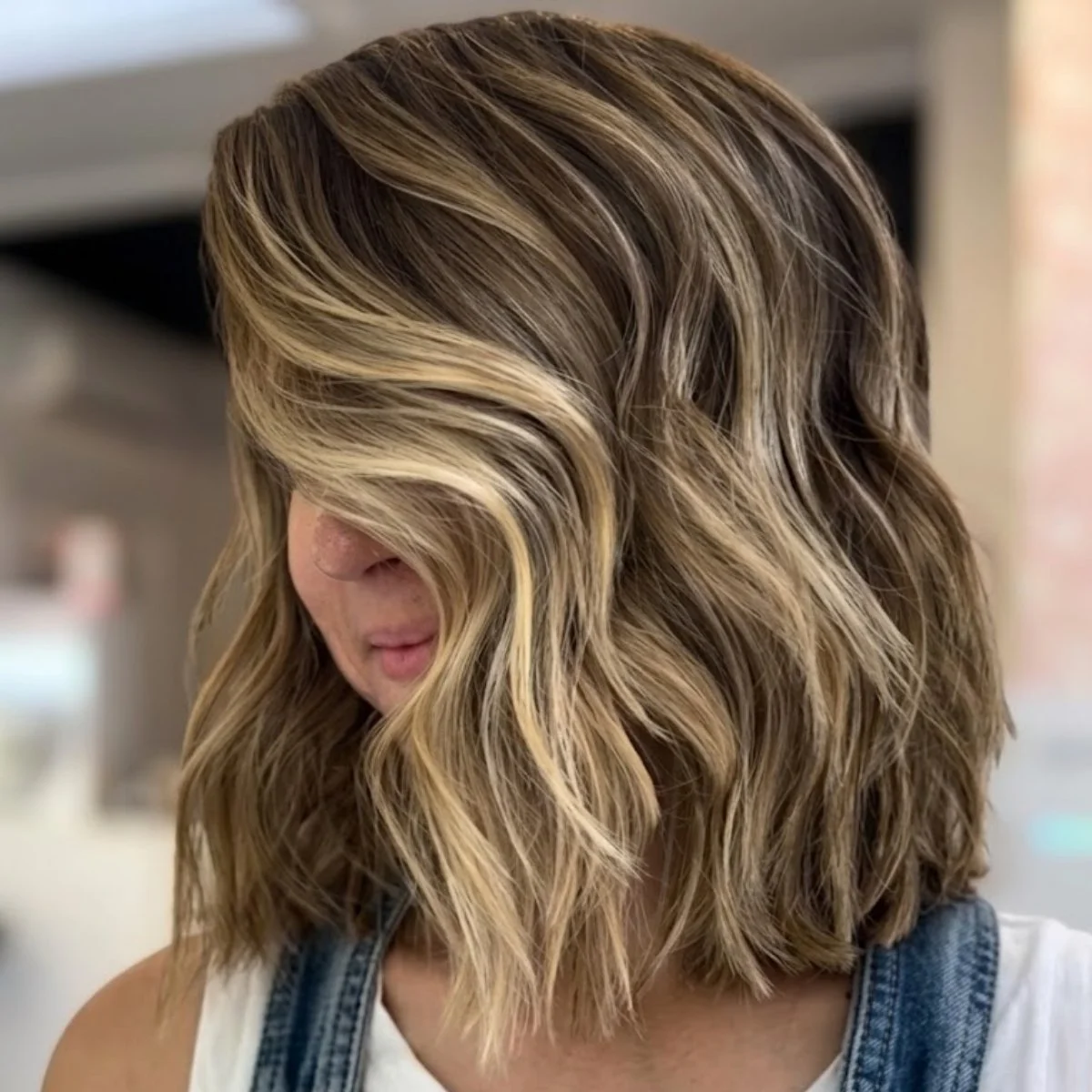
The word “balayage” comes from the French term meaning “to sweep,” which perfectly describes the freehand painting technique used to create natural-looking highlights. Unlike traditional foil highlights that are often uniform and precise, balayage allows colorists to sweep the color onto hair in a way that mimics the sun’s natural lightening effect.
Balayage is praised for its low maintenance and versatility. Whether you want subtle lightened ends or dramatic, full-head highlights, balayage can be customized to suit your hair type, color, and lifestyle.
It’s also important to distinguish balayage from other types of hair coloring. While traditional highlights cover sections evenly, balayage focuses on creating dimension and depth in specific areas. This means less frequent touch-ups and a more natural transition as your hair grows out.
Partial Balayage vs Full Balayage: What’s the Difference?
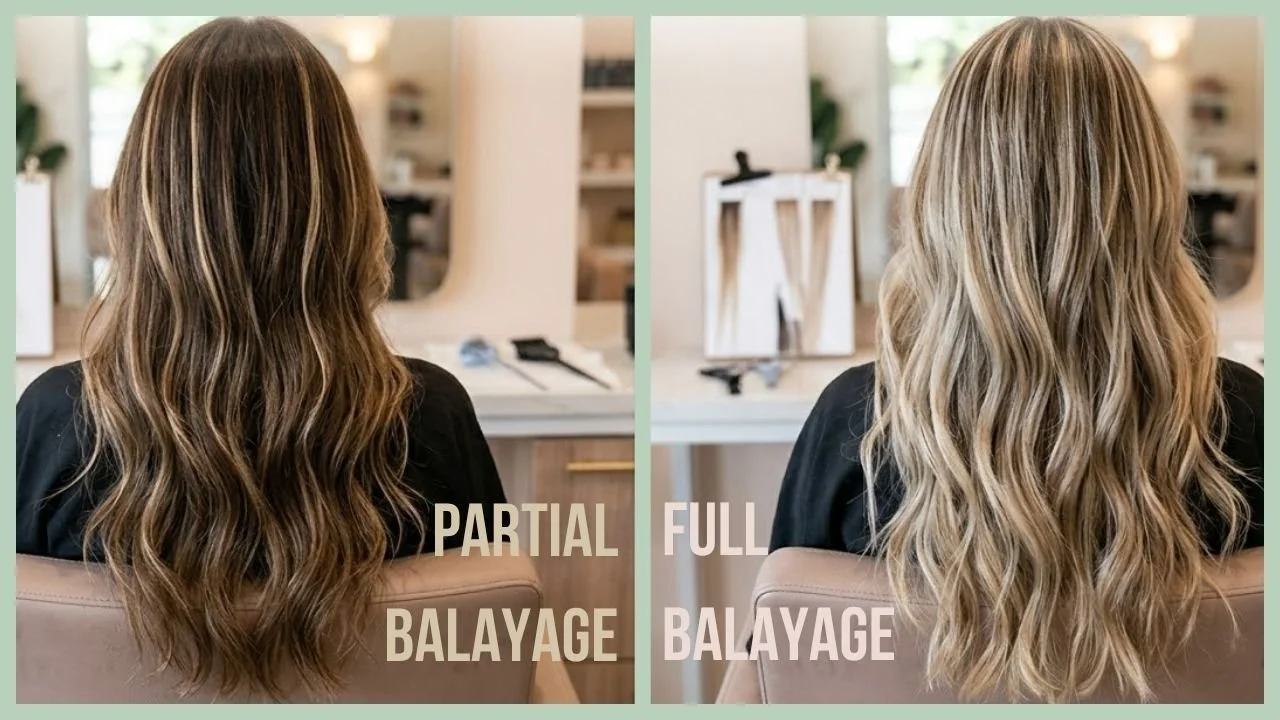
When comparing partial balayage vs full balayage, the main distinction is coverage and intensity.
Partial Balayage: Typically applied to the top layers of your hair, partial balayage highlights frame the face and add dimension without saturating the entire head. It’s ideal for anyone looking for a more subtle, natural look or who wants to extend the time between salon visits. Partial balayage is perfect for shorter hair or when you want highlights to blend into your natural color gradually.
Full Balayage: Applied from root to tip across all layers, full balayage offers a dramatic transformation. This technique creates uniform brightness and depth throughout the hair, making it ideal for those who want bold, noticeable highlights. Full balayage often requires more maintenance and color care, but the payoff is a stunning, salon-finished look that catches light beautifully.
Both techniques use the same freehand painting method, but the choice between partial and full balayage comes down to the effect you want and how much of your hair you want highlighted.
Balayage vs Highlights: Key Considerations
Many people wonder how balayage differs from traditional highlights. Here are a few key differences:
Technique: Balayage is painted freehand, while traditional highlights are often foiled and sectioned.
Maintenance: Balayage grows out more naturally, making touch-ups less frequent.
Look: Balayage results in a softer, sun-kissed effect, whereas highlights can appear more uniform.
Placement: Balayage can be customized for each client’s hair, enhancing natural texture and movement.
Understanding these distinctions can help you decide whether partial or full balayage aligns with your style goals.
When to Choose Partial Balayage
Partial balayage is ideal for:
People seeking a subtle face-framing effect.
Those new to hair coloring who want to test the look without a full commitment.
Individuals who prefer lower maintenance hair color.
Shorter hairstyles where full coverage isn’t necessary.
A partial balayage gives a soft, natural glow while highlighting key areas of your hair. It’s often less expensive and faster to apply than full balayage, making it a practical option for busy lifestyles.
When to Choose Full Balayage
Full balayage is perfect for:
Clients looking for a bold, dramatic transformation.
Those who want highlights from root to tip.
Individuals with longer hair seeking more noticeable dimension.
Anyone who enjoys maintaining a high-fashion, salon-finished look.
While full balayage requires more effort to maintain, including color-safe products and occasional touch-ups, the overall effect is striking and versatile.
Choosing the Right Balayage for Your Hair
When deciding between partial and full balayage, consider:
Your Hair Length: Shorter hair may benefit more from partial balayage to avoid over-saturation. Longer hair allows full balayage to show depth and movement.
Your Desired Look: Subtle and natural? Go partial. Bold and dramatic? Full balayage may be the best option.
Maintenance Commitment: Full balayage requires more maintenance, including special shampoos and styling care.
Budget: Partial balayage generally costs less and requires fewer salon visits.
For guidance, a consultation with a professional stylist at a trusted women’s hair coloring salon in Denver can help you determine the right approach for your hair type and goals.
Denver Hair Salons That Nail the Perfect Balayage
Denver is home to a variety of skilled colorists who specialize in balayage. When searching for the best hair salon Denver, look for:
Experienced stylists trained in balayage techniques.
Salons offering color consultations to tailor the treatment to your hair type.
Locations that prioritize hair health and professional-grade products.
A skilled stylist can guide you through the differences between partial balayage and full balayage and create a customized look that complements your style.
Maintaining Your Balayage at Home
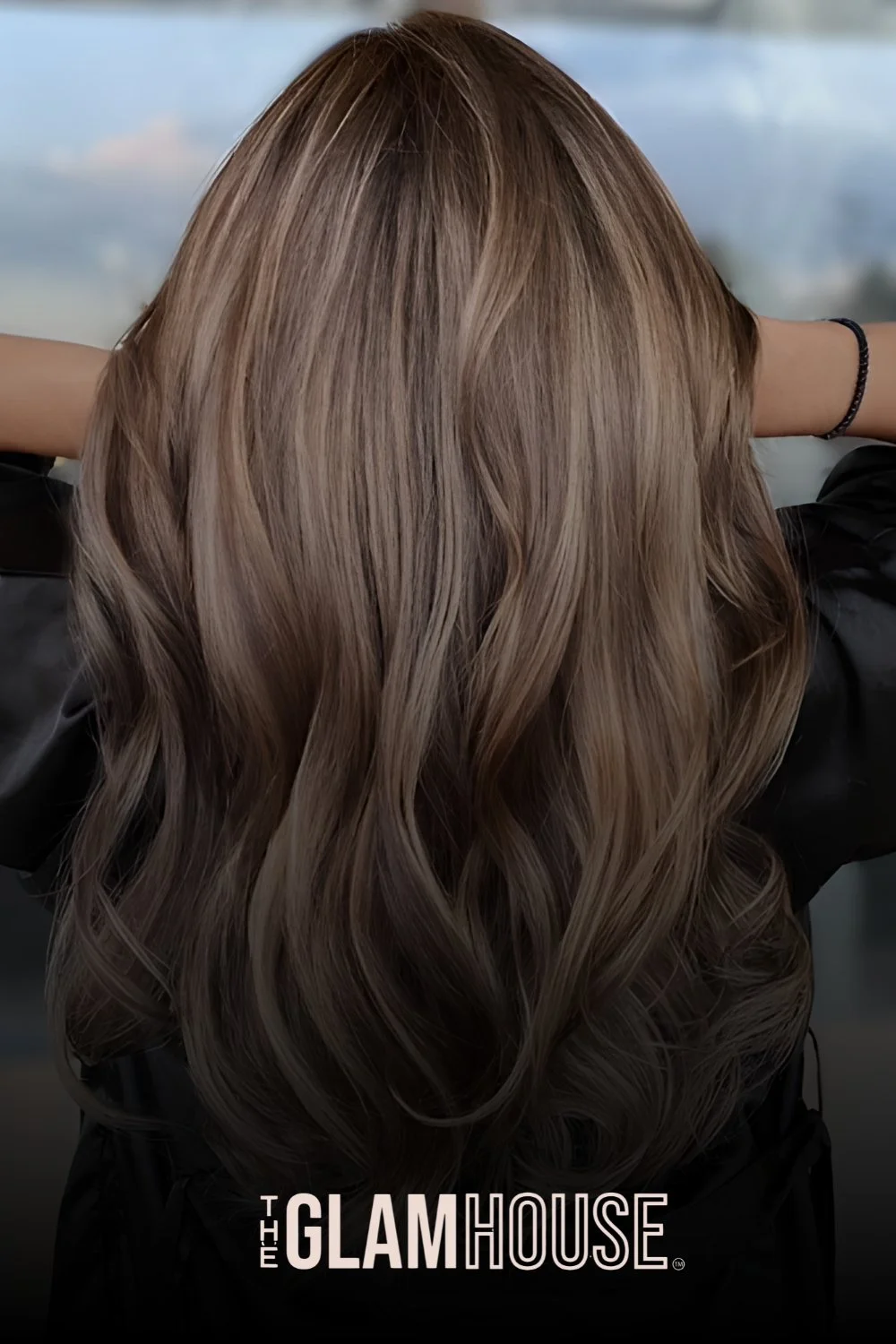
Balayage is known for low maintenance, but proper care ensures your color stays vibrant and healthy:
Use sulfate-free shampoo and conditioner designed for color-treated hair.
Limit heat styling to prevent fading and breakage.
Schedule regular trims to maintain healthy ends.
Consider deep-conditioning treatments to maintain shine and hydration.
Protect your hair from the sun, chlorine, and harsh environmental factors.
These practices help your balayage stay bright and fresh for longer between salon visits.
Styling Tips and Trends
Balayage offers versatility in styling:
Soft Waves: Enhance the color’s dimension and natural glow.
Straight Styles: Show off the subtle color variations.
Updos: Highlight your balayage with strategic twists or braids.
Denver trends lean toward natural, lived-in looks with partial balayage for subtle brightness or full balayage for bold, sun-kissed waves.
“The choice depends on your hair length, lifestyle, and the look you want. Partial balayage works well for subtle, face-framing highlights or for shorter hair. Full balayage gives a dramatic transformation with highlights throughout your hair. A consultation with a trained stylist is essential to tailor the technique to your hair type and desired outcome.”
Conclusion
Choosing between partial balayage vs full balayage depends on your hair length, desired effect, maintenance commitment, and budget. Partial balayage offers a subtle, natural glow and is easier to maintain, while full balayage provides dramatic, high-fashion results with enhanced dimension.
For those searching for the best hair salon Denver to achieve the perfect balayage, consider visiting a salon that specializes in professional coloring techniques and offers a consultation to personalize your look. A skilled stylist can help you decide which option aligns best with your hair type, lifestyle, and style goals.
Take the next step toward your perfect hair transformation and share this guide with friends or family looking to update their look. Spread the knowledge and inspire others to achieve the balayage of their dreams!
Frequently asked questions
-
Both last similarly, but partial balayage may require less frequent touch-ups since it covers fewer sections.
-
Yes, balayage works on all hair colors. Dark hair may require lightening for optimal contrast, which a professional stylist can guide you on.
-
It depends on your goals. Balayage offers a more natural, low-maintenance look, while traditional highlights are more uniform and can be higher-maintenance.
-
Most clients schedule touch-ups every 8–12 weeks, but partial balayage often allows for longer periods between salon visits.
-
When done by a professional with quality products, balayage minimizes damage compared to full-coverage coloring, but proper aftercare is essential.
Read more