What Is Color Correction Hair? A Westminster Stylist’s Guide
What is color correction hair? Hair color correction is a professional salon service designed to fix unwanted tones, banding, uneven color, or chemical damage caused by previous dye jobs. The process uses specialized color removing, lifting, filling, and toning techniques based on the color wheel to safely restore your hair to your desired shade.
We have all been there. Maybe it was a late-night burst of confidence that led to an at-home bleach disaster, a box dye that turned out three shades darker than the picture, or a salon visit somewhere else that left you with neon roots. The instant panic of looking in the mirror and seeing a hair color mistake is real.
If you are currently trying to figure out how to fix a brassy or patchy situation, finding an experienced hair color salon in Westminster is the very first step toward reclaiming your look. When a color goes wrong, you cannot simply layer another box dye over it and hope for the best. Layering dye over an existing mistake usually results in muddy tones or, worse, severe chemical breakage. That is where professional hair color correction comes into play. It isn’t just a simple dye job—it is a meticulous chemical puzzle that requires an intimate knowledge of color theory and hair biology.
5 Major Signs You Need Professional Hair Colour Correction
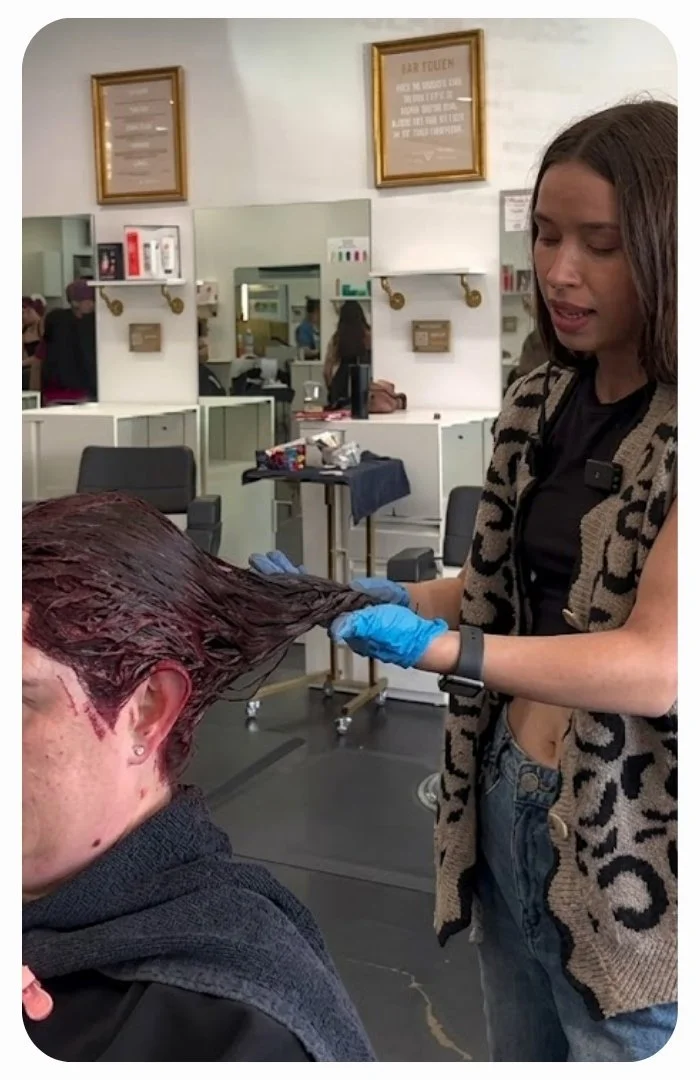
How do you know if your hair issue requires a standard gloss or a full-blown corrective service? Here are the five telltale signs that you need a professional hair color correction.
Brassy, Orange, or Yellow Tones: This is incredibly common when dark hair is bleached at home. Because dark hair naturally transitions through red, orange, and yellow stages as it lifts, stopping the process too early leaves you with a harsh, copper hue that purple shampoo cannot fix.
"Banding" and Harsh Lines: Banding occurs when new hair color overlaps with previously colored hair, creating distinct, horizontal stripes across your head. Correcting this requires a stylist to paint each individual band with a different chemical formula.
The "Muddy" or Ashy Over-Tone: If blonde hair absorbs too much cool toner, it can look gray, green, or completely dull.
Box Dye Accumulation: Layering store-bought formulas creates a dense buildup of metallic salts and heavy pigments. Removing this pigment evenly requires a professional-grade color remover rather than aggressive bleach.
Fading to Unnatural Colors: When professional formulas aren't locked in correctly, or when cheap dyes are used, reds can fade to a chalky pink, and brunettes can fade to a hollow, greenish-brown.
The Science of Hair Color Repair: Why DIY Fixes Fail
To understand why at-home hair color repair usually ends in disaster, you have to look at the chemistry of the hair strand.
Every time you dye your hair, you are dealing with the color wheel. If your hair turns bright orange, you cannot fix it by putting a light blonde box dye over it. According to color theory, to neutralize unwanted orange, you must use its direct opposite on the wheel: blue.
Furthermore, damaged hair suffers from compromised porosity. Think of damaged hair like a dry sponge—it absorbs pigment incredibly fast and unevenly. If you try to apply a retail color correcting hair dye at home, the highly porous, damaged ends of your hair will turn completely dark and muddy, while your healthy roots will lift too quickly, leaving you with bright "hot roots."
What Happens During a Salon Color Correction Appointment?
If you are nervous about your first corrective appointment, knowing the exact steps can ease your mind. A true professional color correction for hair is a highly customized marathon.
Step 1: The Deep-Dive Consultation & Strand Test
Your stylist will ask for your complete hair history spanning the last two years. Even if a dye has faded, the chemical footprint remains on your strands. The stylist will cut a tiny, hidden piece of your hair to run a chemical test, observing how it reacts to lightener before touching your whole head.
Step 2: Pigment Removal
Instead of blasting your hair with bleach right away, an expert colorist will use a professional sulfur-based color reducer. This shrinks the synthetic color molecules from old dye jobs and washes them out without touching your natural hair pigment.
Step 3: Strategic Lifting & Rebalancing
Once the old dye is removed, the canvas is often uneven. The stylist will meticulously apply lightener only to the darkest bands of the hair, carefully isolating sections with foil to create a uniform, even level of brightness.
Step 4: Color Filling
If you are transitioning from platinum blonde back to a rich chocolate brown, your hair lacks underlying warmth. If a stylist applies brown directly over blonde, it will look translucent and hollow, often throwing a scary green tint. The stylist must first "fill" the hair by redepositing warm red and copper pigments, creating a foundation for the final color to grip onto.
Step 5: Toning and Structural Treatment
The final step seals the hair cuticle. Your stylist will apply a custom-blended toner to perfect the shade and use advanced bond-building treatments (like Olaplex or K18) to reconstruct the broken disulfides inside the hair shaft.
The "Marathon, Not a Sprint": Why Correction Takes Time
Managing expectations is the most important part of a hair rescue mission. A dramatic color correction can easily take four to eight hours in a single day—and in severe cases, it may require multiple appointments spaced six weeks apart.
Rushing the chemical process is the fastest way to destroy the structural integrity of your hair. A great stylist will always value the health of your hair over achieving a specific shade of blonde in one afternoon.

Don't Panic—Book Your Custom Hair Rescue Today
Fixing a hair color disaster requires an expert eye and precise chemical mapping. Our team of master colorists specializes in complex corrective services, bringing the level of skill and care you expect from the best hair salons. We take the time to evaluate your hair health, explain your options, and execute a flawless strategy designed to bring your dream color back to life safely. Let’s get your hair back to beautiful—book your consultation today.
Frequently Asked Questions
-
It can if it is rushed or done by an untrained hand. However, a licensed professional colorist balances every lifting step with intensive protein and moisture treatments to minimize damage and keep your hair healthy.
-
Because it requires unpredictable chemistry and an immense amount of time and product, most salons charge an hourly rate rather than a flat fee. Prices generally range from $100 to $150+ per hour depending on the stylist's tier.
-
No. Purple cancels out yellow tones in pale blondes. If your hair is coppery or orange, you need a blue-based toner or a professional color balance to neutralize the warmth.
Read more…